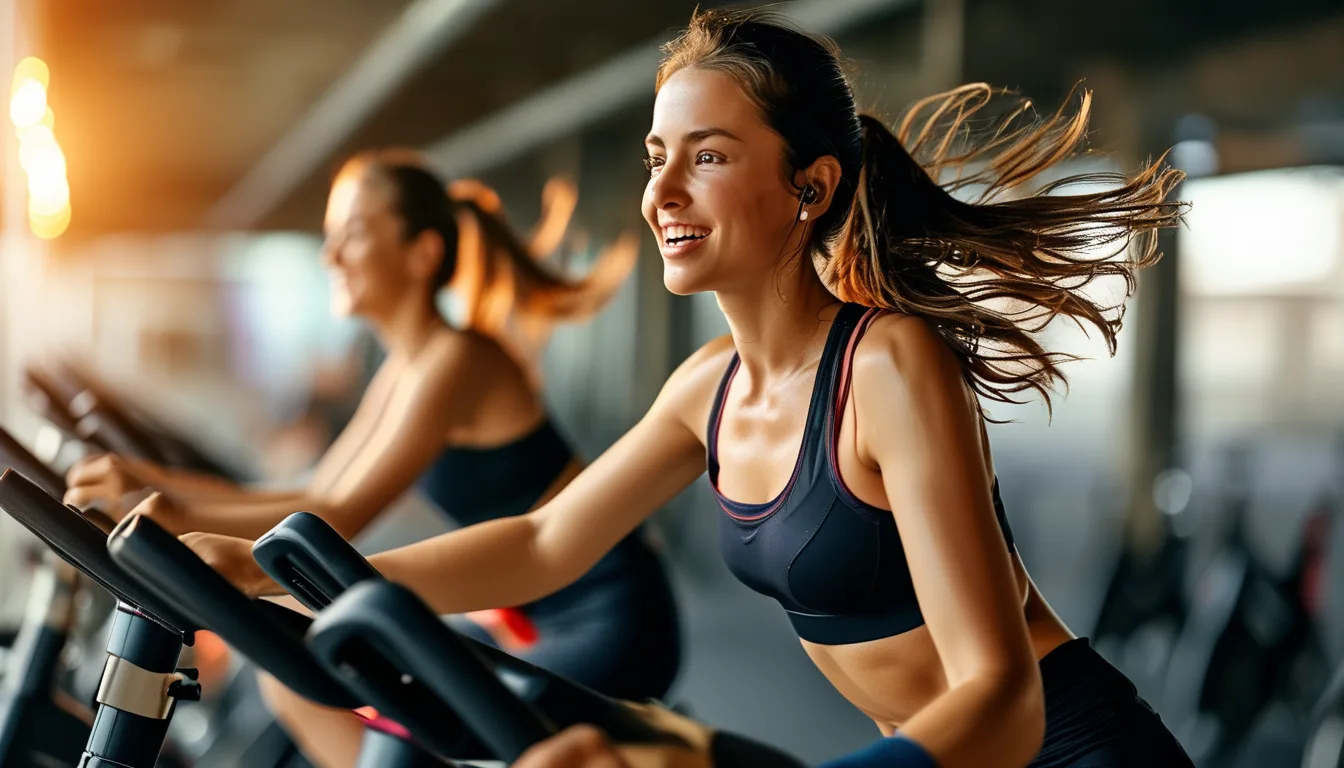
Arms-Only vs. Legs-Only Air Bike: What Each Actually Trains
Quick Answer: Arms-only mode isolates upper body and core stability with minimal leg fatigue, useful for finishing a leg-heavy day; legs-only mode isolates lower body cardio output without upper body involvement, useful for arm-day conditioning or as a lower-impact cardio option.
Most people only ever use the air bike with arms and legs together. The two isolated modes aren’t gimmicks — they solve a real programming problem: how do you get real cardio conditioning on a day you don’t want to further fatigue one half of your body.
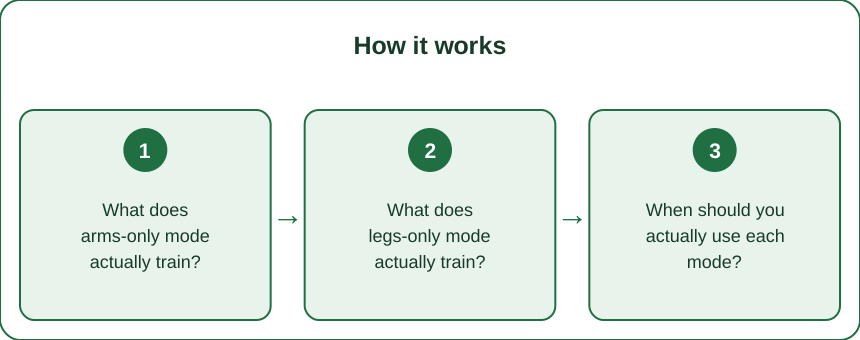
What does arms-only mode actually train?
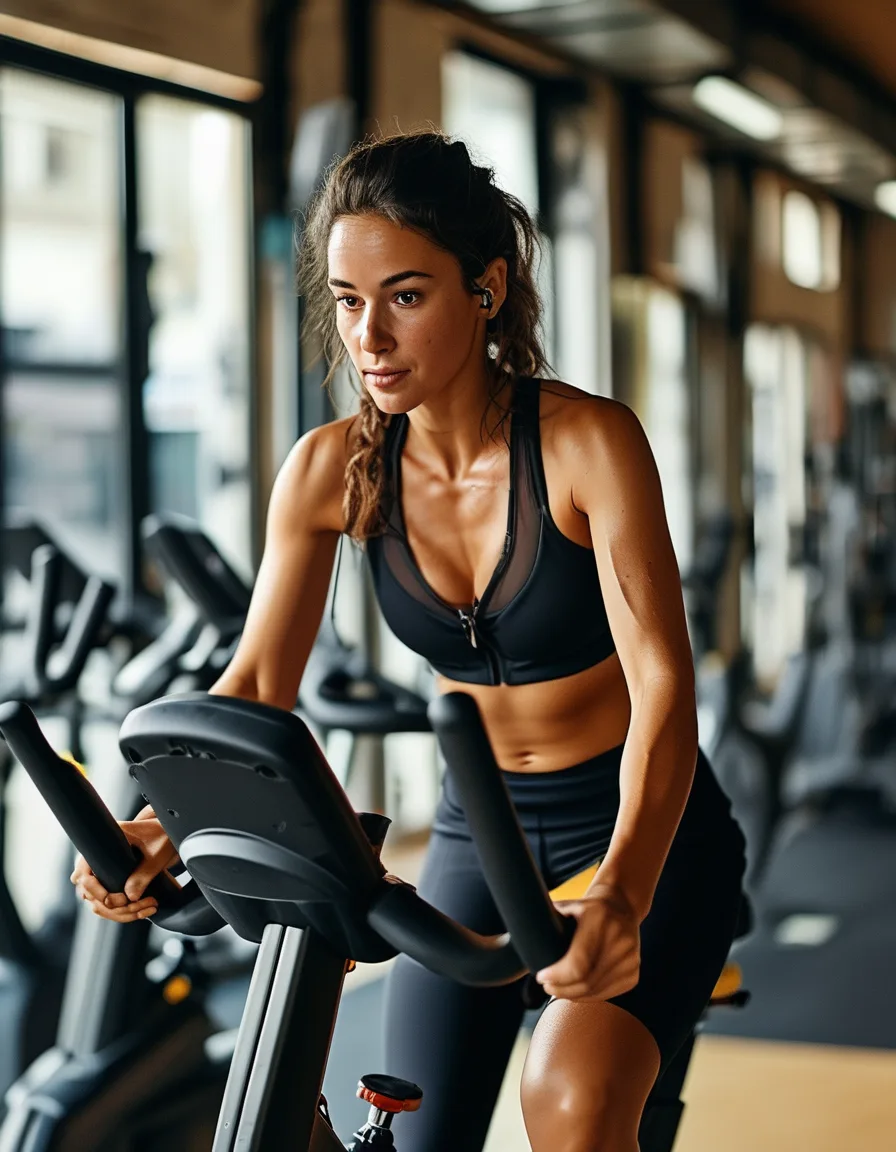
Keeping your feet still and driving purely with the arm handles trains your shoulders, triceps, upper back, and — less obviously — your core, which works hard to stabilize your torso against the pumping motion without leg drive to help.
This is a genuinely tough cardio stimulus on its own; many people are surprised how quickly arms-only intervals spike heart rate compared to full-body pedaling, since a smaller muscle mass is doing all the work.
What does legs-only mode actually train?
Hands off the handles (or resting lightly), pedaling with legs alone shifts nearly all the output to quads, hamstrings, and glutes, similar in muscle demand to a regular stationary bike but with the air resistance’s exponential scaling still in play.
This is a solid option on days you want cardio without adding upper body fatigue — useful before or after an upper-body strength session, or simply as a lower-impact alternative to running that’s easier on the joints.
When should you actually use each mode?
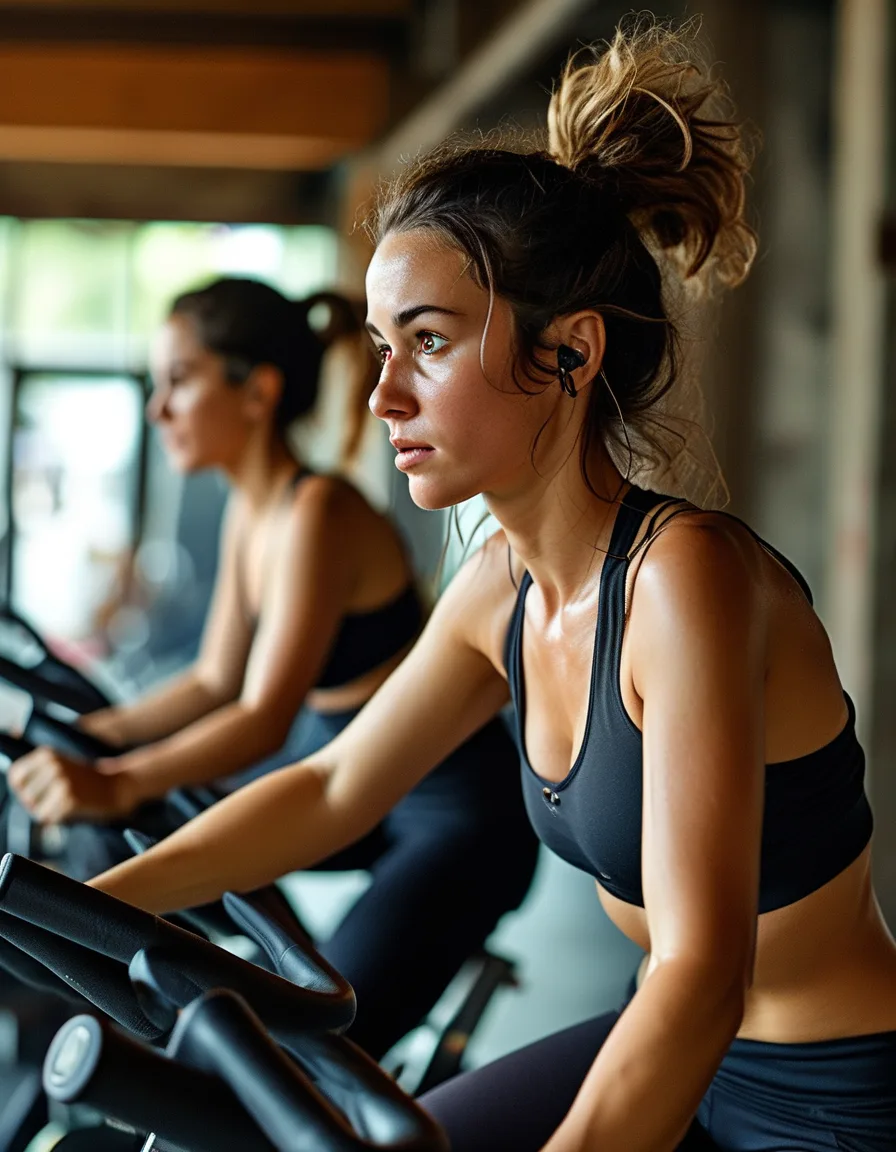
Arms-only: after a leg-focused strength day, when you still want cardio conditioning but your legs are cooked — or as a finisher that spikes heart rate without further leg fatigue.
Legs-only: after an upper-body strength day, for the same reason in reverse — or as a joint-friendly cardio option on days regular running or full-body air bike work feels like too much.
Full-body (both): your default for general conditioning and the highest overall calorie burn per minute — reserve arms-only and legs-only for the specific scenarios above rather than as your everyday default.
How do you program these into a week?
A simple split: full-body air bike intervals 2x/week for general conditioning, arms-only as a finisher on leg day, legs-only as a finisher or standalone cardio session on upper body day.
Keep isolated-mode intervals shorter than full-body ones — 15-20 seconds on, longer rest — since a smaller muscle mass fatigues faster and form breaks down sooner without the other half of your body sharing the load.
FAQ: Air Bike Arms-Only and Legs-Only Questions, Answered
Is arms-only air bike a good workout on its own?
Yes, as a conditioning finisher or on a day you specifically want to spare your legs — it’s genuinely demanding despite using less total muscle mass.
Does legs-only air bike feel different from a regular stationary bike?
Somewhat — the exponential air resistance still applies, so effort scales with your own pace more dramatically than a fixed-resistance stationary bike.
Can beginners use arms-only or legs-only mode?
Yes, and it can be an easier entry point than full-body air bike work, since you’re only coordinating and fatiguing one half of your body at a time.
TL;DR:
- Arms-only isolates upper body and core with minimal leg fatigue — good after leg day
- Legs-only isolates lower body cardio, joint-friendly, good after upper body day
- Full-body remains the default for general conditioning and highest calorie burn
- Keep isolated-mode intervals shorter since a smaller muscle mass fatigues faster
Use the isolated modes on purpose, not just as a novelty change of pace.
Keep Reading
This article is for general informational and styling purposes only. Fit, sizing, and product availability may vary.